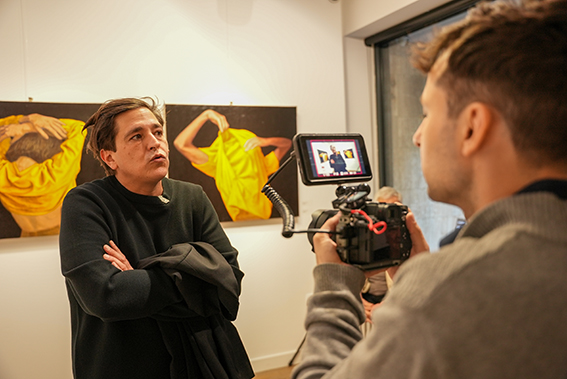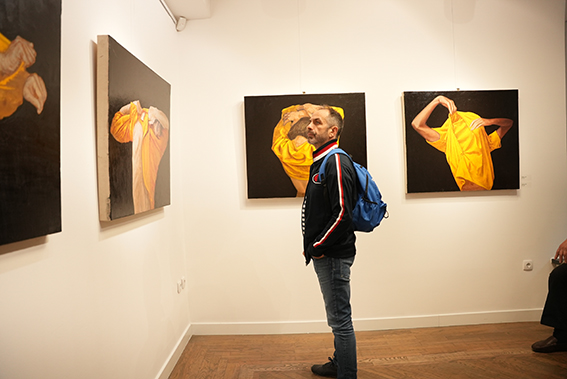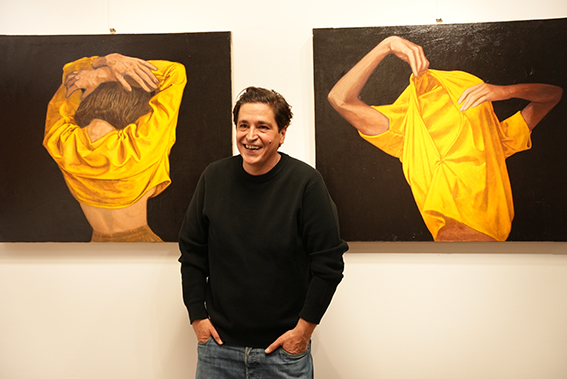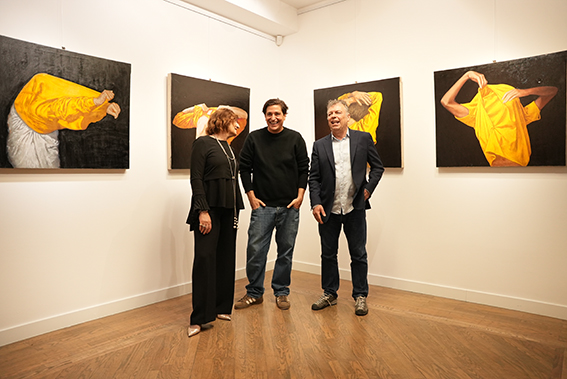
Tarik Berber’s work offers a remarkable combination of two very different cul-tural worlds. Bosnia and Hercegovina has a notably rich and complex cultural tradition and Tarik is a descendant of a celebrated family of artists. As a working artist, he still maintains close ties with the milieu from which he originates.
He trained, however, at the celebrated Florentine Academy, which offers per-haps the most rigorous of all trainings for painters. They grind their own col-ours, mix their own paints and make their own brushes, just as the apprentices did in the studios of the great Renaissance masters.
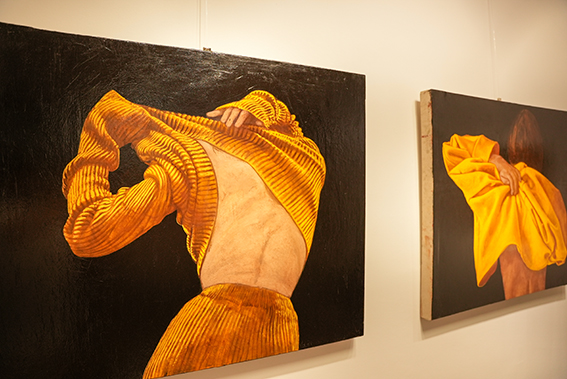
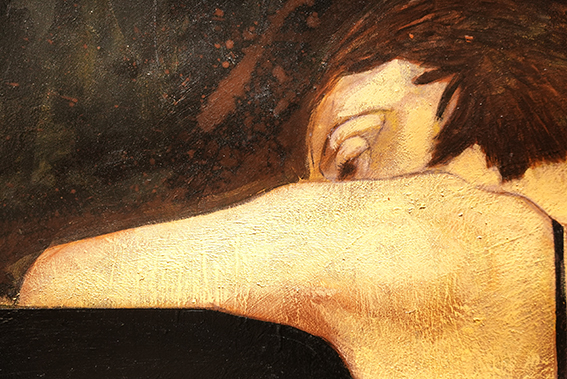
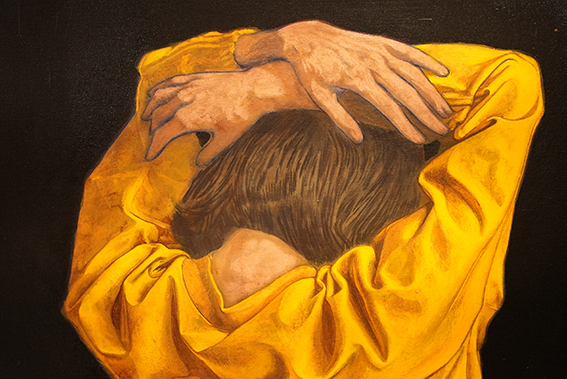
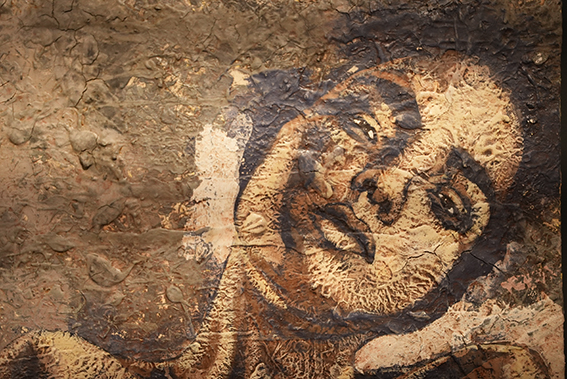
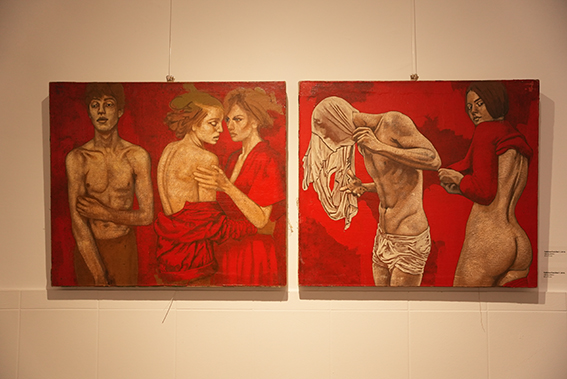
The mingling of cultural influences in Tarik Berber’s work pays eloquent tribute to the complex cultural mix to be found in his native region. On the one had, there is a strong classical element, which mat at times remind one, not so much of Renaissance paintings and frescos, as of the Ancient Roman paintings to be seen in Pompeii. On the other hand, there are influences that seem to come from the artists of the turn of the century Vienna Secession – specifically from the work of Gustav Klimt and Egon Schiele. It is worth remembering that the culture of the Balkans, of the Bosnia-Herzegovina of today, retains impulses that origi-nated, not in any part of Italy, but in Vienna.
There are, in addition, things that announce themselves as being entirely con-temporary, a very much of our own time.
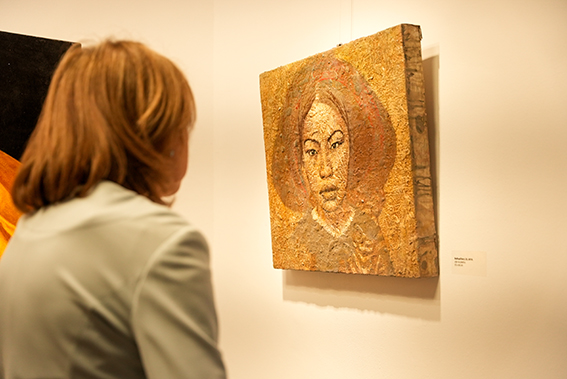
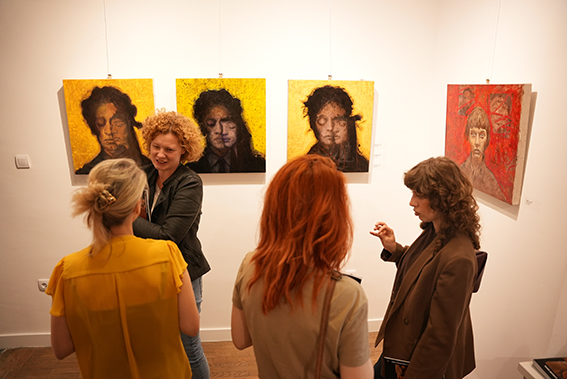
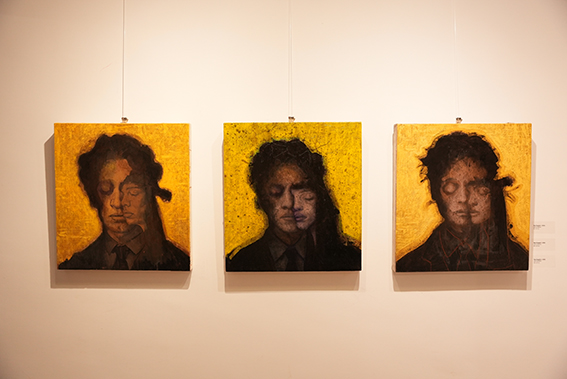
These portraits nevertheless demonstrate Tarik Berber’s strengths as a drafts-man. Place them in a show of high quality Old Master drawings and they would certainly hold their own.
The eclecticism of Tarik Berber’s work is personal, yet is at the same time sym-bolic of much that is happening in the visual culture of today. This culture has access to an increasingly wide range of references. Images from every region of the world and from old epochs, from Palaeolithic times to our own, are readily available to artists, and indeed to all the rest of us provided we have access to a computer. Historical hierarchies are vanishing – art from every epoch is imme-diately ours, if we wish it to be so. Geographical boundaries are also tending to dissolve.
Once consequence of this is that the idea of an organised ‘avant-garde’, immedi-ately recognisable as something that is collectively ahead of the game, is becom-ing unfeasible. The result has been the gradual emergence of a new generation of artists, less interested in avant-garde identity, much more interested in locat-ing the true creative self. Tarik Berber is one of those artists.
Edward Lucie-Smith
Photo Nikša Širac